
2026-09-04 · Jay Thompson
Painting Over Popcorn Ceilings In 1970S Denver Ranch Homes
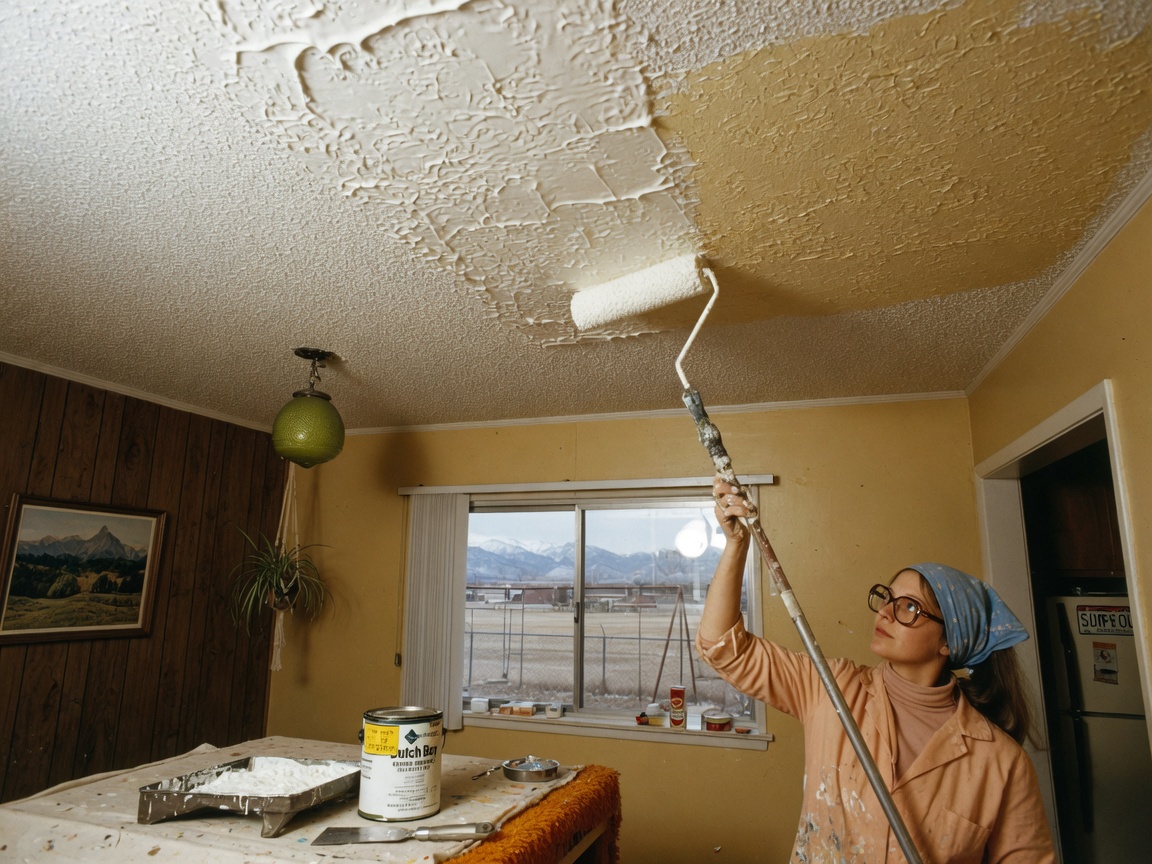
Painting over popcorn ceilings in 1970s Denver ranch homes works when crews first clean the texture, apply a quality primer, and use two coats of interior acrylic, but only after confirming no asbestos is present in homes built before 1980.
Assessing Your Popcorn Ceiling
1970s ranch homes in neighborhoods such as Park Hill, Montclair, and Washington Park often feature popcorn ceilings that trap dust from Denver County's frequent afternoon thunderstorms. Start by shining a bright light across the surface to spot water stains or loose material common after heavy snowmelt. Homeowners in nearby Aurora and Lakewood report that ceilings in these single-story layouts show more cracking along seams because the flat roofs expand and contract with hot summers and cold winters. Test a small corner for asbestos before any work; many 1970s builds used it in texture. If the material tests clean, proceed with vacuuming and light sanding. This step prevents future peeling that shows up after the first dry winter. Proper assessment saves hours later when paint fails to bond to hidden grease or nicotine residue left from earlier decades.
Surface Preparation Techniques
Thorough cleaning comes before any primer in Denver ranch homes. Use a dry microfiber mop followed by a TSP substitute solution to remove the fine dust that settles during semi-arid summers. In homes around Five Points and Baker, crews often find that popcorn holds onto construction residue from original drywall work. Lightly mist the ceiling, then scrape only loose bits rather than flattening the entire texture. Fill any cracks with setting-type compound and let it dry fully, which can take 24 hours in low-humidity winters. Sand smooth with 120-grit paper and vacuum again. These steps matter because Denver's climate causes rapid drying that hides moisture pockets; trapped water later pushes paint off in bubbles. Skip this work and the new finish fails within two seasons.
Paint Selection for Denver's Climate
How Denver's Dry Climate Changes Interior Paint Selection explains why flat acrylics outperform eggshell on textured ceilings here. Choose a high-quality interior primer that seals the porous popcorn, then two coats of a mildew-resistant acrylic ceiling paint. In Centennial and Lakewood ranch homes, painters note that low-VOC formulas still perform when humidity spikes during summer storms. Avoid oil-based products because they yellow faster under the intense sun that pours through large 1970s windows. A gallon covers roughly 250 square feet on textured surfaces, so a typical 12-by-14-foot room needs about 1.5 gallons total. The dry air accelerates recoat times to two hours, but always check manufacturer guidelines for the specific product.
Application Process
Apply primer with a 3/4-inch nap roller in 4-foot sections to maintain a wet edge across the popcorn. Work from one corner toward the main window so natural light reveals missed spots. In Capitol Hill and RiNo ranch homes, crews often use an airless sprayer for speed on larger open ceilings, back-rolling immediately to push material into the texture. Allow full drying between coats, usually overnight during winter months when indoor humidity drops below 20 percent. Two finish coats hide the original color and create a uniform surface that reflects light evenly. Ceiling Painting crews in Denver County schedule these jobs Monday through Saturday between 7am and 5pm to complete most rooms in one day after prep. Keep windows closed during application to limit dust from outside pollen.
Common Challenges in 1970s Ranch Homes
Water stains from past roof leaks appear often in Stapleton and Sunnyside 1970s builds because original flashing has aged. Prime stains with a stain-blocking formula before the ceiling paint. Temperature swings between hot summer days and cold nights cause expansion that cracks new paint along joists if the primer layer is too thin. Homeowners in Cherry Creek report that ceiling fans create airflow patterns that dry edges too fast, leaving texture lines. Address these by maintaining consistent room temperature around 70 degrees and using a box fan on low to circulate air without direct blast. When done correctly, the refreshed ceiling lasts 10–15 years before any touch-up is needed.