
2026-10-28 · Jay Harlan
Refreshing Fences And Sheds Before Denver's First Snow
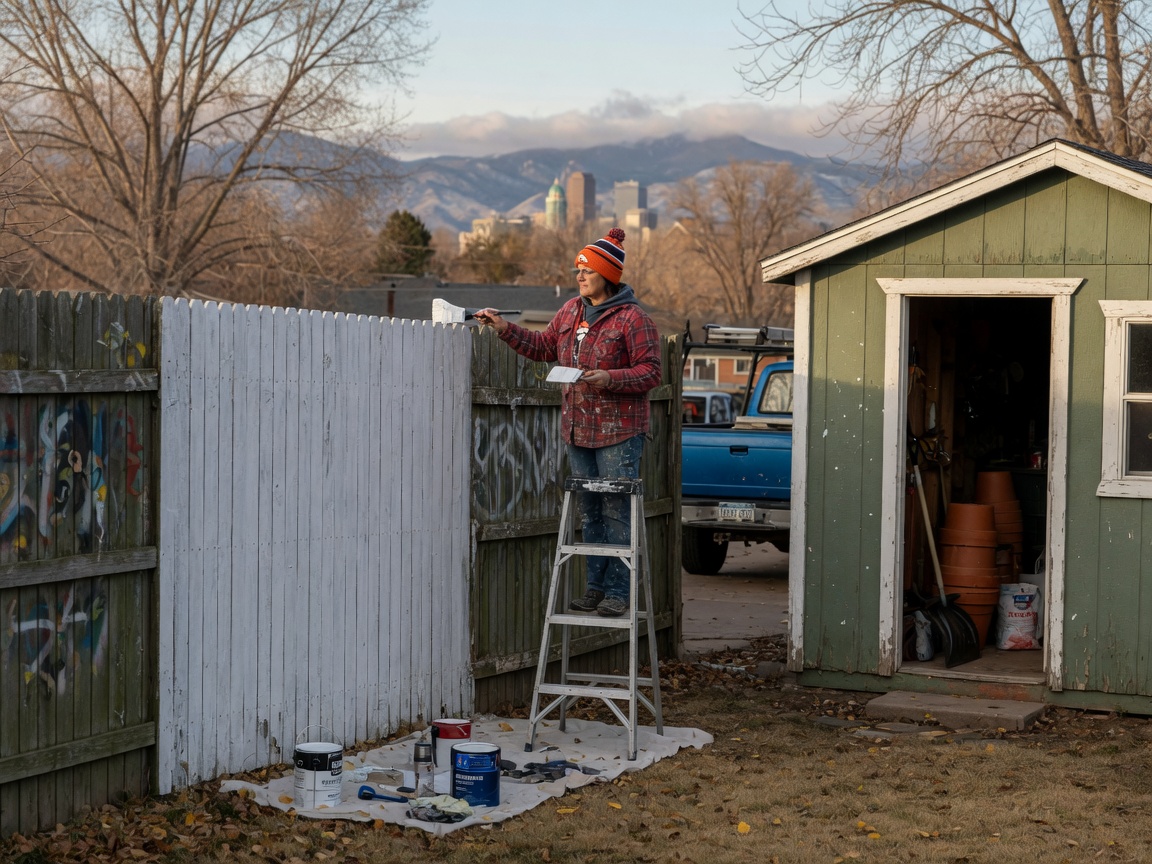
Refreshing fences and sheds before Denver's first snow means completing the work in September while temperatures still allow proper drying and adhesion. In Denver County, the semi-arid climate brings cold winters with freeze-thaw cycles that crack untreated wood, so owners in RiNo and Capitol Hill tackle these structures in early fall to avoid snow load damage.
Choosing the Right Time in Denver's Climate
Denver's weather pattern of hot summers followed by sudden cold snaps and frequent afternoon thunderstorms makes late summer the practical window for fence and shed work. Once winter temperatures drop below freezing, moisture trapped in wood expands and splits boards, especially on older properties common in Baker and Five Points. Scheduling around the typical mid-October first snow gives coatings time to cure fully. Homeowners in Washington Park and Park Hill often see better results when they start after the last major thunderstorm season ends but before overnight lows dip into the 30s. This timing prevents the surface from staying damp too long and reduces the chance of ice forming under new finishes during the first cold front.
Surface Preparation Steps That Hold Up to Snow
Solid preparation starts with cleaning away dirt, mildew, and old flaking material that trap moisture against the wood. In neighborhoods like LoDo and Highland, many fences sit close to irrigation lines or alley runoff, so pressure washing removes embedded salts that accelerate rot once snow melts. Sanding rough spots and replacing split boards comes next, followed by letting everything dry for at least two full days. Skipping these steps leads to peeling within one season because Denver's dry air during the day contrasts with overnight humidity spikes near the South Platte. Applying a quality primer on bare wood seals end grain and prevents water wicking up from the ground during spring thaw.
Selecting Coatings for Local Conditions
Exterior-grade acrylic latex paints or solid stains perform best on Denver fences and sheds because they flex with temperature swings and resist UV fading during intense summer days. Oil-based products can work on new cedar but require longer cure times that risk rain interference from leftover thunderstorm patterns. Two thin coats applied on dry days above 50 degrees give better penetration than one heavy coat. In Stapleton and Montclair, where wind carries extra dust, a slightly higher sheen helps future cleaning. Homeowners should check product labels for low-temperature application ranges to avoid issues when an early cold snap arrives.
Common Issues in Denver County Backyards
Wood fences along property lines in Sunnyside and Cherry Creek often face extra stress from soil moisture and dog traffic, so checking post bases for rot before painting saves time later. Sheds near Mount Evans views or City Park can collect pine needles that hold moisture against siding, creating hidden decay spots. Addressing these before snow falls prevents larger repairs the following spring when access becomes difficult. Regular inspection of fasteners and trim also matters because expansion from freeze-thaw loosens hardware over 8–12 years on typical local stock.
For detailed guidance on exterior projects, see exterior painting and fence & deck painting. Readers planning quotes can review questions to ask when getting quotes from local painting contractors.