
2026-09-04 · Jay Thompson
Selecting Primers For Stucco Exteriors Common Around Denver
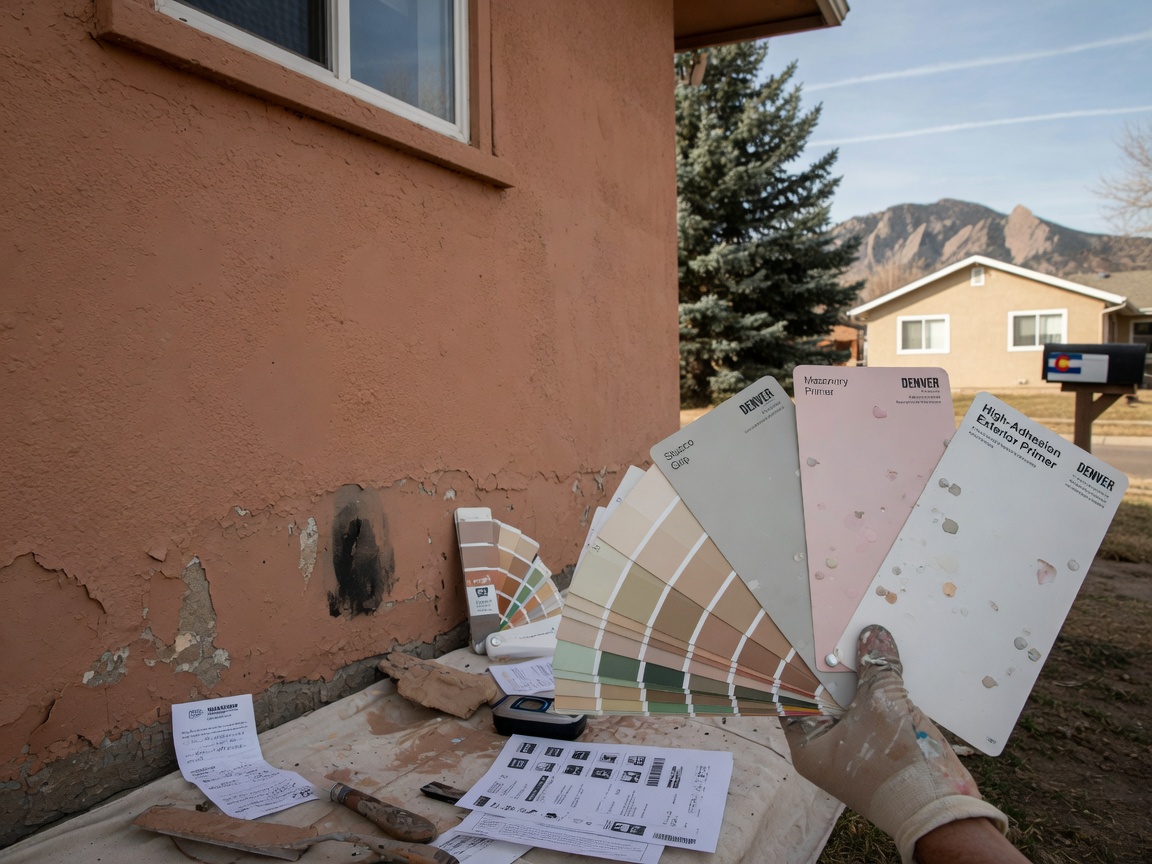
For stucco exteriors common around Denver, choose alkali-resistant acrylic or latex primers formulated for masonry surfaces to prevent efflorescence and ensure adhesion through temperature swings from hot summers to cold winters.
Understanding Stucco Challenges in Denver County
Stucco appears on many homes in neighborhoods such as Capitol Hill, Highland, and Baker where early 20th-century construction meets newer builds in Stapleton and Montclair. The material expands and contracts with Denver's semi-arid conditions, including frequent afternoon thunderstorms that drive moisture into hairline cracks. Cold winter freezes then expand that moisture, while hot summer UV exposure fades unprotected surfaces. These cycles demand primers that block moisture vapor yet allow the stucco to breathe. Without proper priming, paint peels within a few seasons on south-facing walls exposed to intense sun near City Park or the Denver Botanic Gardens.
Selecting the Right Primer Types for Local Stucco
Alkali-resistant acrylic primers perform best on new or repaired stucco because they neutralize high pH levels that break down standard paints. Look for products labeled for masonry with elastomeric properties that stretch 200-300% to accommodate movement during Denver's freeze-thaw cycles. In areas like RiNo and Five Points where older stucco meets modern additions, a breathable latex primer prevents trapping moisture behind the finish coat. Avoid oil-based primers unless the surface has been thoroughly neutralized, as they can trap salts and cause blistering after summer thunderstorms. Test patches on inconspicuous spots confirm compatibility before full application on homes in Washington Park or Park Hill.
Surface Preparation Steps Before Priming
Clean stucco thoroughly with low-pressure washing to remove dirt, mildew, and loose sand without damaging the finish, a step especially important after hail events detailed in Repairing Paint Damage After A Colorado Hail Storm. Repair cracks wider than 1/16 inch with compatible stucco patch and allow full cure before priming. In Centennial and Lakewood homes near Mount Evans foothills, check for efflorescence and neutralize with a mild acid wash followed by thorough rinsing. Apply primer when temperatures stay between 50°F and 85°F to avoid rapid drying from dry Denver air or rain from afternoon storms. Proper prep extends coating life by years on exteriors in Cherry Creek and LoDo.
Application Tips for Denver Weather Patterns
Apply primer in two thin coats rather than one heavy coat to reduce the risk of cracking during rapid temperature drops at night. Start early in the morning on east-facing walls in Sunnyside to finish before typical 2-4pm thunderstorms. Use rollers with 3/4-inch nap for textured stucco to reach into crevices, followed by brush work on edges near windows and doors. In Aurora homes with heavy sun exposure, select primers with UV inhibitors. Allow 24-48 hours cure time before topcoating to handle the low humidity that accelerates drying. These steps integrate well with full exterior painting projects that address both stucco and trim details.
When to Call Local Experts for Stucco Priming
Homeowners unsure about primer selection on complex surfaces benefit from consulting experienced crews familiar with Denver County stock. Questions about product compatibility and weather timing appear in Questions To Ask When Getting Quotes From Local Painting Contractors. Professional application ensures even coverage on multi-story homes in LoDo or near Coors Field where access and wind add challenges. Owner-operated teams like those available Mon–Sat 7am–5pm provide upfront assessments that match primer choice to each home's age and exposure.