
2026-10-28 · Jay Harlan
Cost Factors For Painting A Two-Story Denver Home
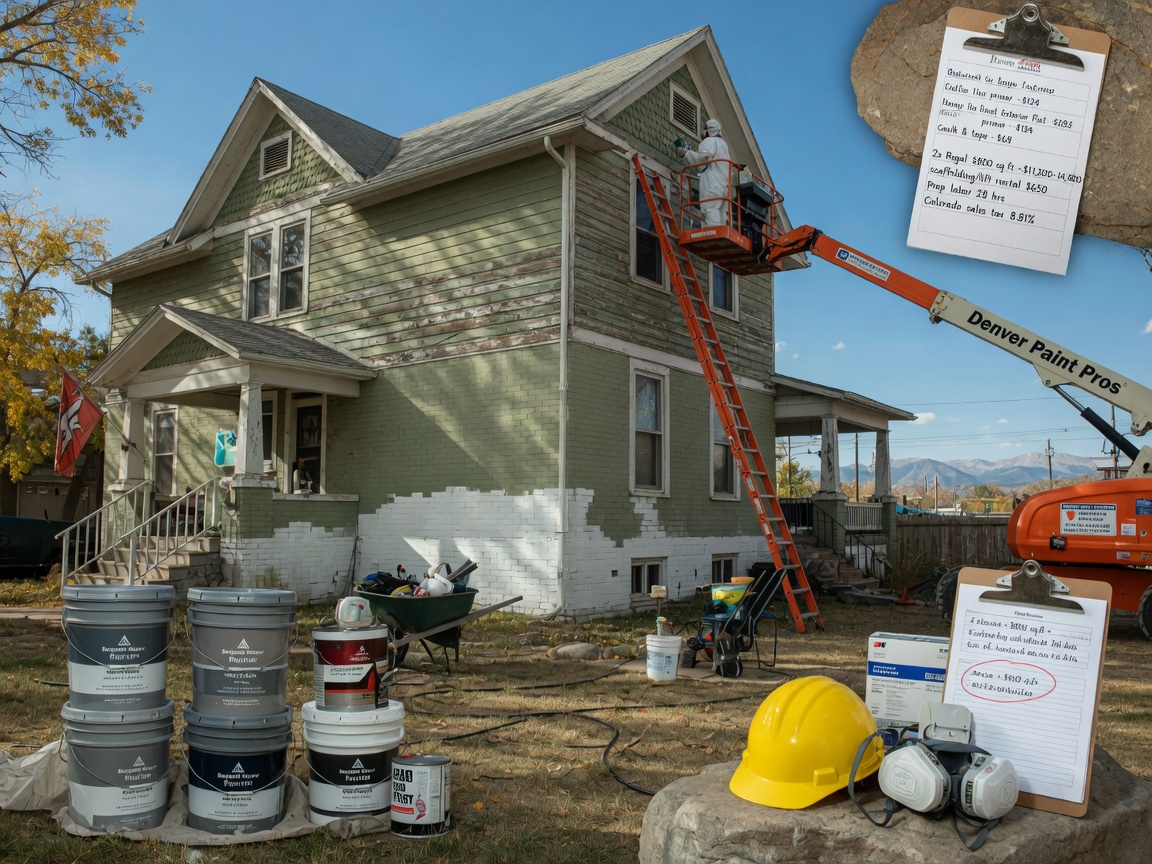
Painting a two-story Denver home typically ranges from $4,200 to $8,900 for full exterior work, with interior projects adding $2,800 to $5,600 depending on the scope. These figures shift based on home age, square footage, and exposure to semi-arid conditions with hot summers, cold winters, and frequent afternoon thunderstorms that accelerate paint wear on surfaces.
Home Size and Layout Considerations
Two-story homes in Denver County often feature 1,800 to 3,200 square feet of living space, with older stock in Capitol Hill and Five Points requiring more trim work around historic windows and porches. Newer builds in Stapleton or Montclair tend toward open layouts that reduce labor time but increase wall surface area. Painters measure linear feet of trim and account for vaulted ceilings common in LoDo conversions. Larger footprints in Park Hill demand more gallons of paint, while compact Baker bungalows focus costs on detailed edges. Accurate measurements prevent underbidding and ensure coverage for all elevations without multiple mobilizations.
Surface Conditions and Preparation
Denver homes frequently need extensive prep due to stucco exteriors and wood siding exposed to freeze-thaw cycles. Pressure Washing & Surface Preparation removes years of dust and pollen before priming. Homes near City Park or the Denver Botanic Gardens accumulate organic buildup that affects adhesion. Scraping loose paint on two-story structures adds time and safety equipment costs. Drywall repairs in interiors of Highland or Sunnyside properties address nail pops from seasonal movement. Skipping prep leads to premature failure within 4-6 years instead of the expected 8-12 year lifespan for quality exterior coatings.
Paint Selection for Denver's Climate
Semi-arid conditions with intense UV and hail from thunderstorms require elastomeric or acrylic paints formulated for temperature swings. Selecting Primers For Stucco Exteriors Common Around Denver details how masonry primers resist efflorescence in areas like Cherry Creek. Oil-based products perform better on metal trim around Coors Field-adjacent properties but cost more upfront. Homeowners in RiNo often choose low-VOC formulas for better indoor air during cold winter applications. Color retention matters on south-facing walls that bake in summer heat, while north sides near Mount Evans views need mildew-resistant additives due to shade and moisture retention.
Timing and Weather Impacts
Scheduling exterior work between April and October avoids winter lows below freezing that crack fresh coats. Afternoon thunderstorms can halt progress for days, extending project timelines by 3-5 days on average. Painting Garage Interiors During Denver's Milder Months shows how shoulder seasons allow controlled interior work. Two-story access becomes hazardous during high winds common in Lakewood and Aurora borders. Early booking secures crews before peak demand hits in May and September when many Washington Park residents refresh homes before holidays.
Accessibility and Labor Factors
Two-story elevations require scaffolding or lifts that increase daily rates by 20-30 percent compared to single-story jobs. Steep lots in Sunnyside or near Union Station add setup time. Questions To Ask When Getting Quotes From Local Painting Contractors helps clarify crew experience with Denver's varied terrain. Interior access through tight stairwells in historic Capitol Hill homes slows material movement. Owner-operated teams familiar with Denver County permitting keep projects moving without delays from inspections on larger residential painting scopes.