
2026-09-04 · Jay Thompson
Maintaining Painted Decks Through Freeze-Thaw Cycles
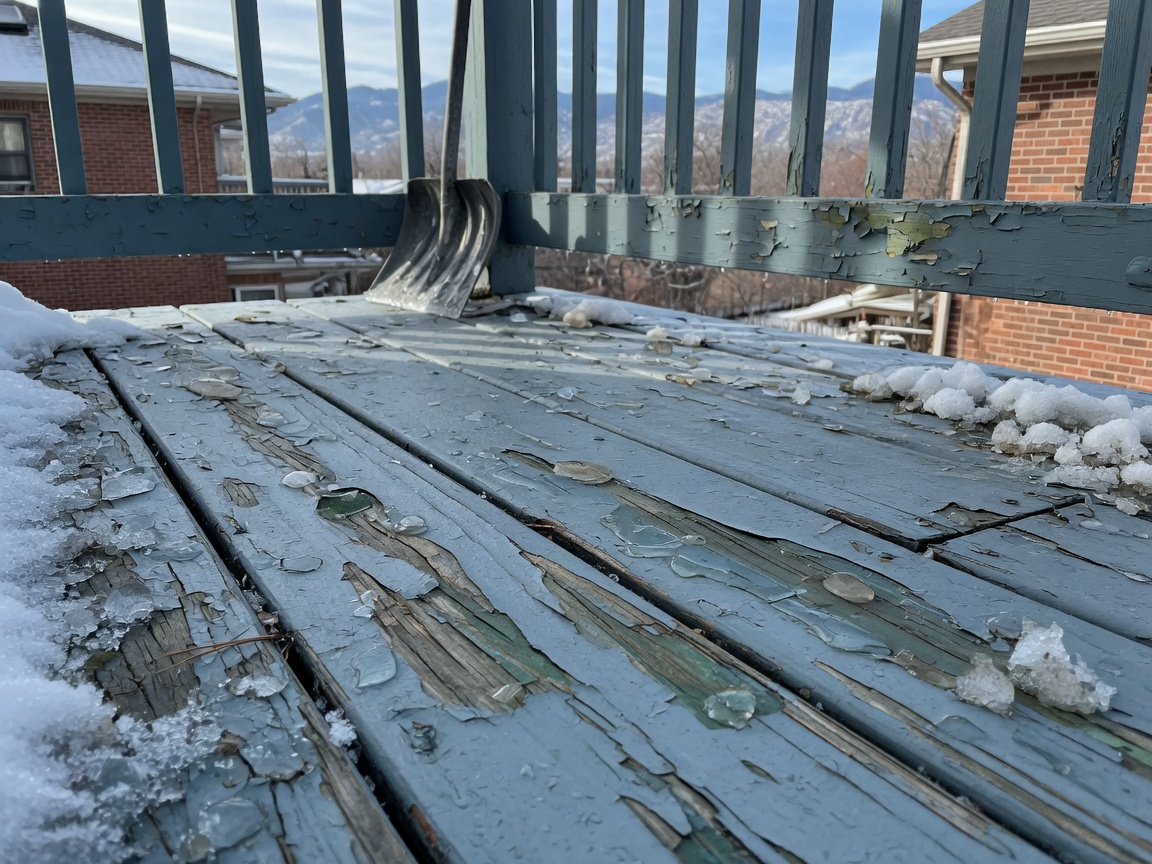
Denver decks typically require a thorough inspection and spot repair every 2-3 years to survive the county's repeated freeze-thaw cycles. The semi-arid climate brings cold winters with daily temperature swings that push moisture in and out of wood, while hot summers and sudden thunderstorms add further stress. Owners in neighborhoods such as Baker and Five Points see the same pattern on older bungalows and newer builds alike.
Reading Local Freeze-Thaw Damage Early
Denver County winters produce wide daily swings that force water to expand and contract inside deck boards and railings. Look for hairline cracks along grain lines, soft spots near fasteners, and bubbling on horizontal surfaces after the first hard freeze. These signs appear first on south-facing decks in Park Hill and Montclair where sun exposure speeds drying between storms. Checking railings and stair stringers in early March catches issues before summer painting season. Document any areas where paint has lifted so repairs can be planned before the next winter.
Preparing Decks Before Winter Sets In
Clear debris and re-seal end cuts on boards by late October to limit water entry during the first snow. Focus on the top edges of railings and the undersides of steps where meltwater pools. In RiNo and Sunnyside, where many decks sit close to irrigation, confirm that sprinklers do not spray the structure. A light coat of compatible primer on any exposed wood after pressure washing prevents deeper absorption when temperatures drop below freezing at night. Schedule this work before 5pm on weekdays so surfaces can cure fully before the first hard freeze.
Spring Assessment After Snowmelt
Once daytime highs stay above 50 degrees, walk the deck and press on every board to locate soft spots created by trapped moisture. Pay special attention to ledger boards attached to the house and any areas shaded by Denver's frequent afternoon thunderstorms. Homeowners in Cherry Creek and Stapleton often discover peeling on the north side first because those surfaces stay damp longest. Note any nail pops or loose screws that can worsen during the next cycle. Photograph findings to track changes year to year and decide whether full repainting is needed.
Selecting Paint Systems That Handle Local Cycles
Exterior latex paints formulated for wide temperature swings perform best on Denver decks because they remain flexible when wood contracts. Apply two topcoats over a quality primer on properly prepared surfaces to reach an expected 5-7 year service life before major maintenance. In Highland and LoDo, where decks see heavy foot traffic from urban living, add a non-slip additive to the final coat. Avoid dark colors that absorb extra heat during summer afternoons and accelerate aging. Fence & deck painting crews familiar with these products can match existing finishes on homes built in the 1920s through 2010s.
When to Call for Professional Help
If more than 20 percent of the surface shows lifting or multiple boards feel spongy, a full strip and repaint prevents further structural damage. Professionals can also address hidden rot at post bases common in older Washington Park properties. Linking this work with exterior painting keeps the entire home envelope consistent. Readers dealing with hail-related paint loss may also find value in Repairing Paint Damage After A Colorado Hail Storm for complementary steps.