
2026-09-04 · Jay Thompson
Repairing Paint Damage After A Colorado Hail Storm
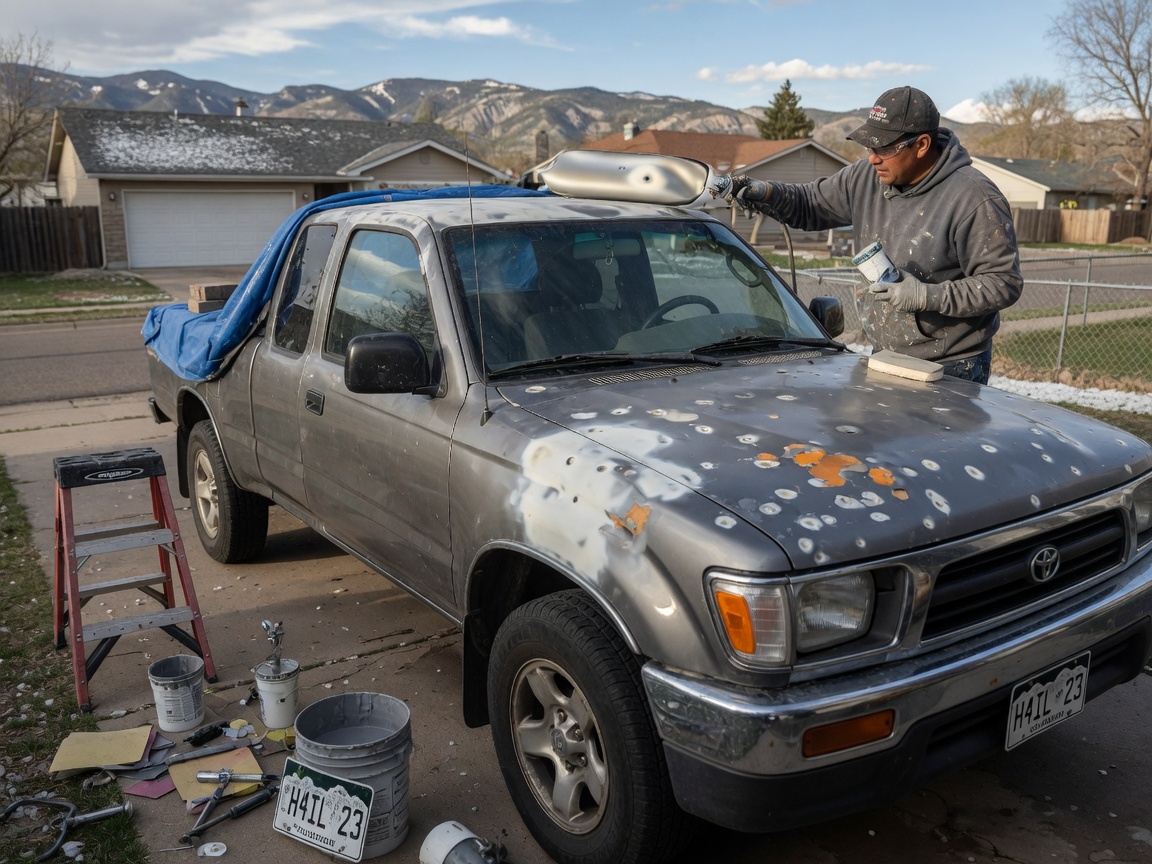
Repairing paint damage after a Colorado hail storm begins with a close inspection of all exterior surfaces within one to two weeks of the event, followed by pressure washing, spot priming, and full recoating where chipping or substrate exposure appears on more than 20 percent of any elevation.
Assessing Hail Damage on Denver Homes
Hail from afternoon thunderstorms frequently strikes south- and west-facing walls hardest, leaving small craters in wood siding and fracturing the finish on stucco homes common in Park Hill and Montclair. Walk the perimeter at ground level and use binoculars for second-story areas, noting dents deeper than 1/8 inch that will hold moisture during winter freezes. In Capitol Hill bungalows built before 1950, check window trim and fascia where older oil-based coatings crack more readily than modern acrylics. Document every elevation with photos before any work begins so material orders match the actual square footage affected. Homes in Stapleton and Sunnyside often show concentrated damage near rooflines where hail rebounds off gutters. Skip this step and you risk missing hidden moisture that leads to peeling within a single season.
Surface Preparation for Hail-Damaged Exteriors
After inspection, remove loose paint and contaminants with pressure washing and surface preparation at 1,500–2,000 psi to avoid driving water into wood or behind stucco. Feather edges of remaining paint so new coats blend without visible ridges, then lightly sand glossy areas to create tooth for primer. In Denver County, where semi-arid conditions produce rapid drying, complete this cleaning early in the morning before temperatures climb above 85 degrees. Allow at least 48 hours of dry weather before priming; sudden storms can re-wet surfaces and trap moisture. For brick or masonry homes in Baker and Five Points, use a masonry cleaner instead of high pressure to prevent spalling. Proper prep extends the life of the repair by five to eight years compared with painting over damaged layers.
Selecting Primers and Topcoats for Local Conditions
Choose a high-quality acrylic latex primer formulated for exterior use and apply it to all bare wood, stucco, or previously painted areas showing substrate exposure. Selecting primers for stucco exteriors common around Denver helps match porosity and reduce blistering when humidity spikes during summer storms. Follow with two coats of 100 percent acrylic exterior paint in a satin or eggshell sheen that resists chalking under intense high-elevation UV. In neighborhoods like Washington Park and Cherry Creek, where many homes feature detailed trim, cut in by hand before rolling large fields to maintain clean lines. Allow full cure time between coats—typically four to six hours in dry Denver air—before the second application. This system withstands the 40–50 degree daily temperature swings common from late fall through early spring.
Application Techniques at Denver Elevation
At 5,280 feet, paint dries faster and can skin over before leveling, so work in 4-by-4-foot sections and maintain a wet edge at all times. Adjusting paint application techniques at Denver's elevation covers thinning ratios and roller nap choices that prevent lap marks on large surfaces. Schedule work between 7am and 5pm Monday through Saturday when temperatures stay between 55 and 80 degrees for optimal flow. Back-roll stucco immediately after spraying to force material into hail craters and eliminate pinholes. On wood siding in RiNo and LoDo, apply the first coat by brush to fill checks and nail holes, then follow with a 3/8-inch nap roller for texture. Two full coats over properly prepped surfaces typically restore protection for 8–12 years before the next maintenance cycle.
Protecting the Repair Long-Term
Once the final coat cures for 30 days, schedule annual inspections each spring before thunderstorm season returns. Touch up any new chips promptly rather than waiting for widespread failure. Homeowners in Aurora, Lakewood, and Centennial who follow this routine report fewer full repaints over a 15-year period. Keep gutters clear so water does not cascade onto freshly painted walls during heavy rains. For larger projects involving multiple elevations, exterior painting crews can complete the work in three to five days once prep is finished, minimizing disruption to daily routines.