
2026-09-04 · Jay Thompson
Spotting Hidden Moisture Issues Before Repainting Denver Basements
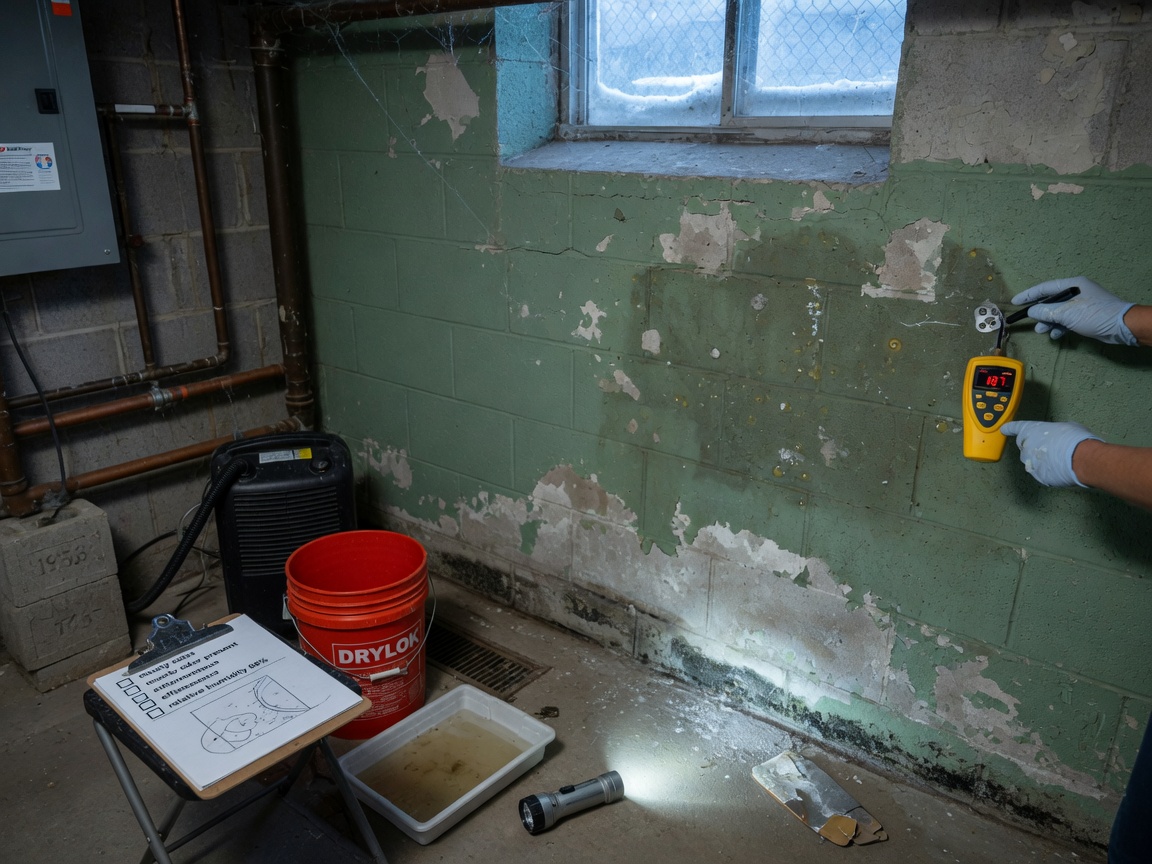
Denver basements frequently develop hidden moisture from afternoon thunderstorms and winter freeze-thaw cycles that push water through foundations in older homes across Capitol Hill and Five Points. Check for efflorescence, water stains, and musty odors before any repainting project to prevent immediate failure on walls and ceilings.
Common Sources of Basement Moisture in Denver County
Denver's semi-arid climate with hot summers and cold winters creates specific moisture patterns in basements of homes built before 1950 in neighborhoods like Baker and Washington Park. Afternoon thunderstorms deliver sudden heavy rain that pools against foundations, while winter temperatures cause condensation on cooler walls. Soil expansion in Denver County during wet periods widens small cracks, allowing water to seep in from below grade. These conditions differ from nearby Aurora or Lakewood due to denser urban runoff in central Denver County. Inspect sump pump areas and window wells first, as these often collect debris that blocks drainage during peak storm seasons.
Visible and Hidden Signs to Inspect Before Repainting
Begin with a systematic walk-through using a moisture meter on walls below grade in homes throughout RiNo and Park Hill. Look for white powdery efflorescence on concrete, yellow-brown water stains along baseboards, and bubbling drywall tape near corners. Musty odors that intensify after rain indicate trapped vapor even when surfaces feel dry. In Stapleton and Montclair properties, check behind insulation for dark mold patches that form from poor ventilation during humid summer months. Measure relative humidity above 60 percent in multiple spots to confirm ongoing issues before scheduling interior painting work.
How Local Climate and Terrain Affect Paint Adhesion
Semi-arid conditions in Denver County mean rapid drying after storms, yet repeated wetting from thunderstorms leaves salts that interfere with new coatings on basement surfaces. Cold winters cause contraction in older foundations common to Highland and LoDo row homes, reopening hairline cracks that allow vapor transmission. Elevation-related temperature swings also increase condensation risks on north-facing walls. Address these by improving grading around the exterior and ensuring gutters direct water away from foundations in Cherry Creek and Sunnyside before applying any new layers. See our guide on Adjusting Paint Application Techniques At Denver's Elevation for surface prep adjustments.
Steps to Confirm Moisture Issues and Plan Repairs
Use a calcium chloride test kit on concrete floors to measure vapor emission rates above 3 pounds per 1,000 square feet, a common threshold in Denver basements. Document all findings with photos and notes on crack locations in areas like City Park homes. If readings indicate problems, repair cracks and improve ventilation before proceeding to Drywall Painting & Repair. For full surface prep guidance, review Questions To Ask When Getting Quotes From Local Painting Contractors. Schedule inspections during Mon–Sat 7am–5pm to align with typical work windows.